
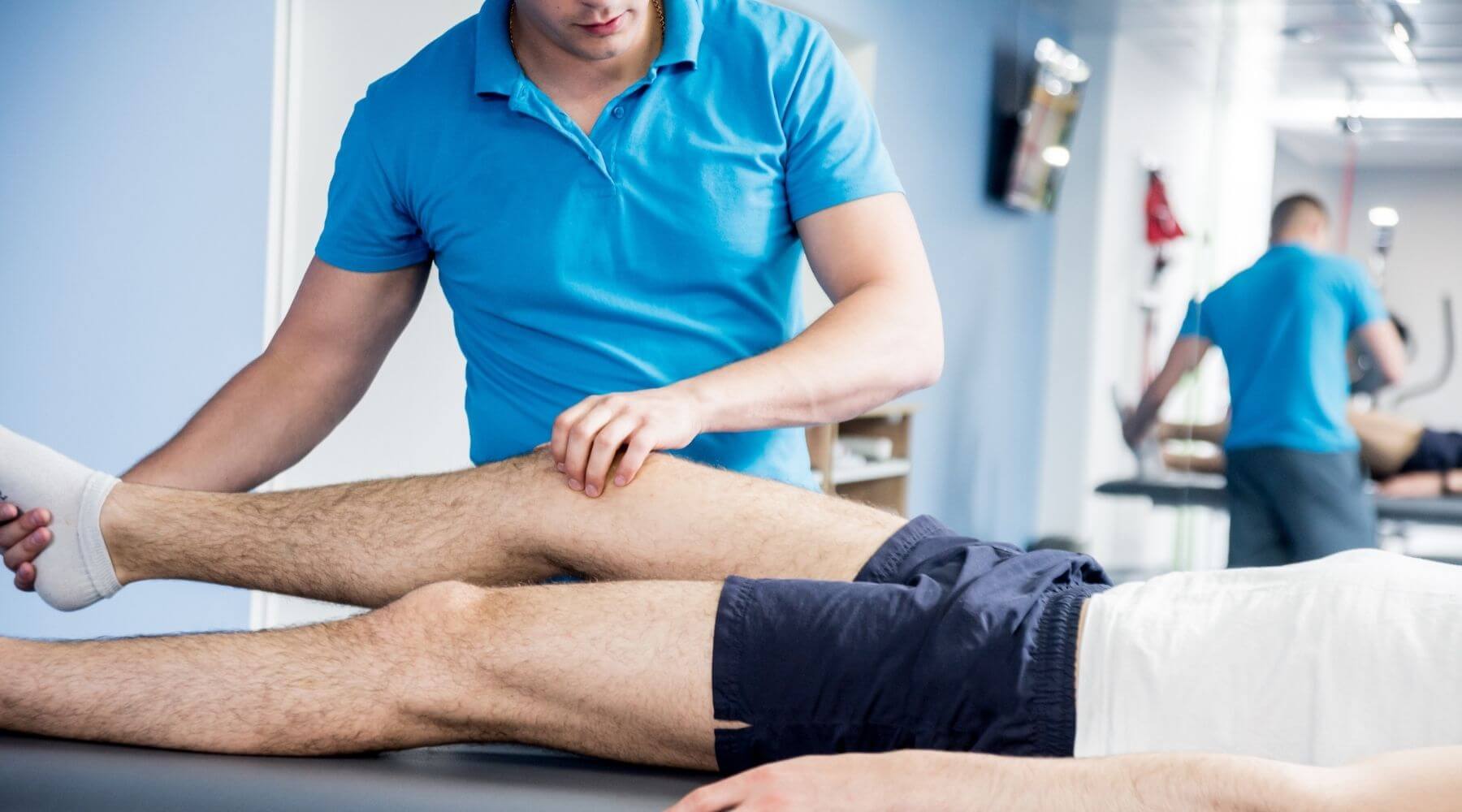
Knee pain is one of the most common musculoskeletal problems, affecting people of all ages and activity levels. It can result from arthritis, sports injuries, overuse, or underlying conditions such as ligament or cartilage damage. Regardless of the cause, knee pain can have a profound impact on your daily life — limiting mobility, reducing independence, and making even simple activities like walking, climbing stairs, or standing for long periods uncomfortable. Left untreated, it can lead to muscle weakness, joint stiffness, and a decreased overall quality of life.
The good news is that not all knee pain requires surgery. In fact, many effective non-invasive and minimally invasive treatment options are available today. These advanced therapies can help relieve pain, reduce inflammation, restore joint function, and support long-term knee health — without the downtime or risks associated with surgery. At Associates in Relief, we specialize in creating personalized treatment plans tailored to your specific needs and lifestyle. Our goal is to help you stay active, regain confidence in your movement, and get back to doing what you love. Relief is possible, and surgery isn’t your only option.
In this comprehensive 2000-word guide, we’ll cover:
The most common causes of knee pain
The importance of early diagnosis
Proven non-surgical treatment solutions
Lifestyle modifications that support knee health
When to consider surgery (and when you don’t need to!)
Your knee is a complex hinge joint made up of bones, cartilage, ligaments, tendons, and muscles. It supports your body weight, absorbs shock, and allows smooth movement. When any part of this system is damaged, irritated, or inflamed, pain and stiffness can occur.
Knee pain can develop gradually due to wear-and-tear, or it can appear suddenly after an injury. Some pain is mild and temporary, while other types can become chronic and disabling if not treated properly. Early intervention is key to preventing long-term damage.
Risk Factors
Age: Degenerative changes are more common after age 40.
Obesity: Excess weight puts additional stress on the knees.
Previous Injuries: Old injuries can make the joint more vulnerable.
Sports: Activities involving running, jumping, or sudden stops raise injury risk.
Occupational Stress: Jobs requiring frequent kneeling, climbing, or lifting can accelerate wear.
Osteoarthritis is the most common cause of chronic knee pain in adults over 50. This degenerative joint condition occurs when the protective cartilage that cushions the ends of the bones in the knee gradually wears away. As the cartilage breaks down, the bones begin to rub against each other, leading to pain, stiffness, swelling, and reduced range of motion. Over time, these symptoms can make walking, climbing stairs, or even standing for long periods increasingly difficult. Without proper treatment, osteoarthritis can significantly impact mobility and quality of life, making early intervention essential for long-term joint health and pain management.
Rheumatoid arthritis (RA) is a chronic autoimmune condition that causes the immune system to mistakenly attack the lining of the joints, leading to persistent inflammation, swelling, and pain. Unlike osteoarthritis, which results from wear and tear, RA can affect multiple joints at the same time, often symmetrically — such as both knees, wrists, or hands. Over time, this inflammation can damage cartilage and bone, causing joint deformity, reduced mobility, and loss of function if left untreated. RA can also produce fatigue and other systemic symptoms, making early diagnosis and treatment crucial for managing pain and preserving joint health.
Injuries to the ACL (anterior cruciate ligament), MCL (medial collateral ligament), and PCL (posterior cruciate ligament) are among the most common knee problems in athletes and active individuals. These ligaments are essential for stabilizing the knee joint, and tears or sprains can result from sudden stops, twists, or direct impacts during sports or physical activity. Symptoms often include pain, swelling, a feeling of instability, and difficulty bearing weight on the affected leg. Without proper treatment and rehabilitation, these injuries can lead to chronic instability, weakness, and an increased risk of future knee damage or re-injury.
The meniscus is a C-shaped piece of cartilage that acts as a cushion between the thighbone and shinbone, helping to absorb shock and stabilize the knee. A meniscus tear can occur from a sudden twist, pivot, or impact, especially during sports, or from gradual wear and tear over time. Symptoms often include knee pain, swelling, stiffness, and a catching, locking, or “giving way” sensation when you try to move. Some tears may heal with rest and physical therapy, while more severe injuries might require advanced treatment to restore function and prevent long-term joint problems.
Patellar tendinitis, commonly known as “jumper’s knee,” is an overuse injury that affects the tendon connecting the kneecap (patella) to the shinbone (tibia). This tendon plays a key role in helping you straighten your leg and absorb the impact from jumping, running, or other repetitive activities. When the tendon becomes irritated or inflamed, it can cause pain just below the kneecap, especially during activity. Swelling, tenderness, and stiffness are also common. Without proper rest and treatment, patellar tendinitis can worsen over time, potentially leading to chronic pain and reduced performance in sports or daily physical activities.
Bursitis is the inflammation of the bursae, which are small fluid-filled sacs that act as cushions between bones, tendons, and muscles around the knee. When these sacs become irritated due to overuse, prolonged kneeling, injury, or infection, they can fill with excess fluid and cause noticeable swelling, warmth, and tenderness around the joint. Knee bursitis often makes it painful to bend or kneel, and the area may feel stiff or sensitive to touch. With rest, ice, and proper treatment, symptoms can improve, but persistent bursitis may require medical care to prevent chronic pain or reduced mobility.
Several conditions beyond the more common knee injuries can cause pain and limit mobility. Loose cartilage fragments, misalignment of the kneecap, or iliotibial (IT) band syndrome can all lead to discomfort, swelling, and difficulty moving the knee normally. These issues often result from overuse, injury, or structural imbalances, and symptoms may include pain during activity, a catching or grinding sensation, and reduced range of motion. Identifying the specific cause of knee pain is essential for developing an effective treatment plan. Accurate diagnosis ensures targeted care, helping to relieve pain, restore function, and prevent further damage.
At Associates in Relief, every knee pain treatment begins with a comprehensive evaluation. Our experts assess the root cause of your discomfort, review your medical history, and perform a detailed examination. This personalized approach ensures that each treatment plan is tailored to your specific needs, maximizing relief and restoring mobility.
Detailed medical history
Physical examination
Imaging (X-rays, MRI if necessary)
Gait and posture analysis
This thorough approach helps us create a personalized treatment plan that addresses the root cause, not just the symptoms.
Physical therapy is one of the most effective, evidence-based approaches for managing and relieving knee pain. It focuses on improving strength, flexibility, and stability in the muscles surrounding the knee, which helps reduce stress on the joint and prevent further injury. A tailored physical therapy program may include exercises to improve range of motion, strengthen supporting muscles, and enhance balance, as well as techniques such as manual therapy or therapeutic modalities to decrease pain and inflammation. Regular sessions can restore function, promote long-term joint health, and empower patients to regain mobility and confidence in daily activities.
Strengthens supporting muscles (quads, hamstrings, glutes)
Improves flexibility and joint range of motion
Corrects movement patterns to reduce stress on the knee
Lowers risk of future injury
Targeted strengthening exercises
Stretching and flexibility programs
Balance and proprioception training
Joint mobilization techniques
Gait retraining for proper walking mechanics
Most patients report noticeable improvements within 4–6 weeks of consistent therapy.
When knee pain stems from misalignment in the hips, pelvis, or lower back, gentle chiropractic adjustments can help restore proper alignment, reduce stress on the knee joint, and improve overall mobility. Combined with targeted exercises, chiropractic care can alleviate discomfort and support long-term knee health without the need for surgery.
Restore proper alignment
Reduce joint stress
Promote natural healing
Advanced regenerative therapies, such as platelet-rich plasma (PRP) or stem cell treatments, can help the body heal damaged knee tissue naturally. By stimulating repair and reducing inflammation, these therapies may restore function, decrease pain, and improve mobility, offering a non-surgical option for long-term joint health and active living.
PRP (Platelet-Rich Plasma): Uses concentrated platelets from your own blood to stimulate healing.
Stem Cell Therapy: May promote cartilage regeneration and reduce inflammation.
While not for everyone, these options can be especially helpful for early arthritis or chronic tendon injuries.
Corticosteroid Injections: Offer fast relief for inflammation and pain.
Viscosupplementation: Hyaluronic acid injections improve joint lubrication, making movement smoother.
Non-surgical knee pain management can include over-the-counter NSAIDs, prescription medications, and topical gels or patches to reduce pain and inflammation. Complementary approaches such as ice and heat therapy can further relieve discomfort, decrease swelling, and improve mobility, making daily activities easier without the need for surgery.
Custom knee braces or shoe inserts can provide targeted support, stabilize the joint, and help correct alignment issues that contribute to pain. By reducing stress on the knee during movement, these devices can improve comfort, enhance mobility, and complement other treatments, allowing for a more active, pain-free lifestyle.
Redistribute pressure within the knee
Improve alignment
Support damaged structures
Weight Loss: Even a small reduction in weight can significantly decrease stress on the knees.
Anti-Inflammatory Diet: Include foods like salmon, turmeric, leafy greens, and berries to combat chronic inflammation.
Maintain a healthy weight to reduce stress on joints.
Warm up before physical activity and cool down with stretches.
Strengthen hips, core, and calves to support knee stability.
Choose low-impact activities like swimming or cycling.
Replace worn-out shoes regularly.
Listen to your body — don’t ignore pain.
Most patients find relief with non-surgical treatments, but surgery may be needed if:
Pain persists after months of conservative care
Severe structural damage is confirmed
Daily activities become difficult
Quality of life is affected
Our team will explore every non-invasive option first before recommending surgical intervention.
Q: How long until I feel better?
Many patients notice improvement within weeks of beginning therapy. Long-term results depend on following your personalized care plan.
Q: Can knee pain resolve on its own?
Minor injuries may heal naturally, but chronic pain typically worsens without treatment. Early care is best.
Q: Are these treatments safe?
Yes, most non-surgical treatments are minimally invasive and have very few side effects.
Q: Will I eventually need surgery?
Not always. Many patients avoid surgery entirely by following a comprehensive conservative treatment plan.
Q: What exercises should I avoid with knee pain?
High-impact activities like running, jumping, or deep squats should be avoided until cleared by a healthcare professional.
Knee pain doesn’t have to control your life or limit the activities you love. Thanks to today’s advanced non-surgical treatment options, lasting relief is more achievable than ever — without the risks, recovery time, or expense of surgery. At Associates in Relief, we specialize in innovative, evidence-based solutions designed to reduce pain, restore mobility, and improve your quality of life. Whether your knee pain is caused by arthritis, injury, overuse, or chronic conditions, our compassionate team will work with you to develop a personalized treatment plan tailored to your unique needs.
Our goal is simple: to help you get back to the activities you enjoy, whether that means walking, exercising, or simply moving without discomfort. Regain your independence, protect your long-term knee health, and discover that an active, pain-free lifestyle is possible — no surgery required. Your journey to better knees starts with us.
✅ Ready to take the first step toward pain-free living?
📞 Call us: (414) 282-9001
📧 Email: info.associatesinrelief@gmail.com
📍 Visit us: 8081 W Layton Ave, Greenfield, WI 53220